
A Detailed & Comprehensive Comparison On Maintenance & Oral Hygiene
1. Cleaning Procedure
Braces: The upkeep of traditional braces needs more efforts, time and alertness owing to the fixed metal brackets and wires. Food and its bits frequently becomes trapped in inaccessible regions. This then requires the utilization of specialist instruments like an interdental brushes, floss threaders, and water flossers. Meticulously brushing around each bracket is crucial to avoid plaque accumulation and ensure hygiene.
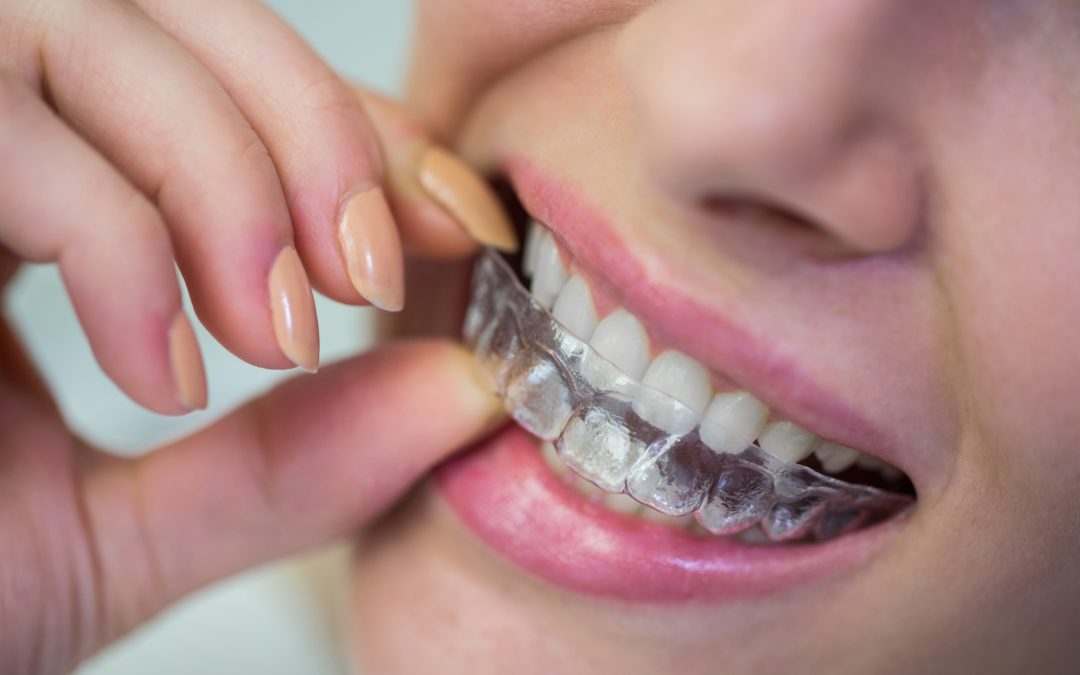
Invisible aligners: Invisible braces are more easily cleaned due to their detachable nature. Users may do their dental hygiene routine, including brushing and flossing, without any hindrance. The aligners must be cleaned individually by washing with water and lightly brushing them. They may also be immersed in a cleaning solution for more thorough cleansing.
2. Time and Efforts Needed to Keep Them Clean
Braces: The maintenance procedure for braces is more tasking & labor-intensive. Cleaning around the metal brackets and wires entails meticulousness and perseverance, frequently extending the duration beyond a standard dental regimen. Flossing can be challenging and laborious, necessitating supplementary instruments to maneuver the floss between the teeth and wires.
Invisible Aligners: The process of cleaning aligners is efficient and uncomplicated. Due to its removability, users may uphold their standard brushing and flossing regimen. Cleaning the invisible braces need very short moment and may be done contemporaneously with routine oral regime.
3. Odor Management
Braces: Braces are more susceptible to inducing halitosis if not adequately maintained. Food particles lodged in the brackets and wires can foster bacterial proliferation, resulting in unpleasant odors. Regular brushing, flossing, and using mouthwash are essential to prevent smells.
Invisible Aligners: Invisible braces may take up scents if not cleaned properly & consistently, particularly when used for long hours on a stretch. Nonetheless, their easy cleaning aspect diminishes the likelihood of halitosis. Rinsing post-meals or post-snack and ensuring adequate hygiene plays major role in odor management.
4. Food Options
Braces: Braces need that patient refrain from consuming specific foods like cheese or any hard structure that may become lodged in the brackets or harm the wires. Food items that are sticky like cheese, chewy & firm are often prohibited while having braces. These food items may provide challenges for certain people.
Invisible Aligners: Aligners provide greater dietary flexibility as they may be removed during meals. Users may indulge in their preferred foods without limitations, provided they maintain oral hygiene by cleaning their teeth and aligners thereafter.
5. Staining Risk
Braces: Teeth may get discolored or have some yellowness around the brackets if oral hygiene is not proper. Improperly cleaned plaque and food particles might result in discolouration that may become more apparent after the removal of braces.
Invisible Aligners: Aligners may get discolored when in contact with pigmented foods or beverages. Nevertheless, due to their detachable nature, users can circumvent this problem by removing them during meals and beverages other than water. Thorough cleaning of the aligners also aids in preventing discoloration.
6. Convenience
Braces: Braces are permanent fixtures, necessitating users to modify their dental hygiene practices to effectively manage the brackets and wires. This may be problematic, particularly for individuals with demanding schedules or frequent travelers.
Invisible aligners: Aligners offer enhanced convenience due to their removable nature. This facilitates the maintenance of dental hygiene, enables comfortable eating, and allows participation in special occasions without self-consciousness.
Although braces work well to straighten teeth and correct other problems, there are certain hazards to oral health associated with them, including discomfort, gum irritation, plaque accumulation, and potential allergic responses. However, because invisible braces are easy to remove and store, they provide a more convenient option. They also curbs down all these problems. To find the best choice for your unique needs and to get a beautiful, healthy smile, it is imperative that you speak with your orthodontist.
Braces vs. Aligners for Oral Health: Which Option is Better
Traditional braces are essential for straightening teeth, but they can also have long-term negative impacts on oral hygiene & health. Which includes things like pain, edema, inflammation, oral ulcers, root resorption, white lesions on teeth after removal, to name a few. Furthermore, it might be difficult to maintain good oral hygiene since food particles frequently become stuck between the wires and brackets. This also raises the risk of gum disease, bad-breath and tooth decay.
For both adults and children, aligners or invisible braces are a common substitute. These are transparent, specially designed trays that cover your teeth and gradually move them into the proper alignment. Because aligners don’t include metal brackets or wires that might irritate your mouth, they often results in more pleasant experience. Also aligners are removable while brushing and eating, they make it simpler for users to maintain proper oral hygiene than braces.
The judgment between braces and aligners is based on your individual needs and choices. We just know that invisible aligners are less uncomfortable and have a less negative effect on oral tissues in comparison to braces. An orthodontic consultation with your dentist helps pick out the most suitable alternative for your lifestyle and dental needs.
Rejove32 Aligner set comes with an instruction manual on how to store them and keep them clean. Choose your company responsibly when you want to go for clear aligners. Clear aligners not only match the efficacy of traditional braces but also surpass them in terms of advantages. The invisibility, comfort, removability, and painlessness make them a superior choice for orthodontic treatment, providing a transformative and enjoyable experience for all the users. Ask for Rejove32 Clear Aligners when you visit your orthodontist next time for your teeth straightening consultation.
FAQ
Frequently asked question.
How do I stop my braces from smelling?
Brush and floss regularly. Use specialized tools like interdental brushes for braces, while aligners can be cleaned with water and a cleaning solution.
What makes cleaning invisible aligners easier compared to traditional braces?
Aligners are removable, allowing easier cleaning with your regular oral care routine, unlike braces that require specialized tools and extra effort.
Can invisible aligners cause bad breath?
Yes, if not cleaned properly. Regular cleaning, rinsing after meals, and maintaining oral hygiene will help prevent bad breath.
Are there any food restrictions with braces or invisible aligners?
Braces require avoiding sticky or hard foods, while aligners offer flexibility as they can be removed during meals.
How do Rejové32 clear aligners compare to traditional braces for oral health?
Rejové32 aligners provide comfort, removability, and easy cleaning, reducing oral health issues compared to traditional braces.